
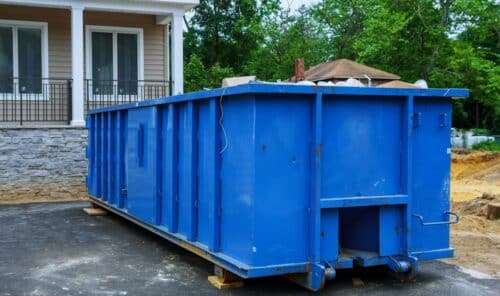
When you’re renting a dumpster, one of the biggest questions is, “How much does this material actually weigh?” While dumpster sizes are measured in cubic yards (volume), disposal costs and transportation limits are based on weight. That’s why understanding the weight of common debris can help you choose the right dumpster, avoid overloading it, and prevent unexpected fees.
Whether you’re tackling a landscaping project, replacing a roof, remodeling a kitchen, or cleaning out your garage, here’s a quick look at what you can expect.
The True Weight of Debris
How Much Does Dirt Weigh?
Dirt is one of the heaviest materials you’ll ever load into a dumpster. A single cubic yard of dry dirt typically weighs around 2,000 pounds, while wet or compacted soil can weigh significantly more. Because of its weight, even a small amount of dirt can quickly exceed a dumpster’s weight allowance. If you’re removing large quantities of soil, it’s often better to rent multiple smaller loads rather than filling one dumpster to the top.
How Much Does Concrete, Brick, & Stone Weigh?
Concrete, brick, and natural stone are incredibly dense materials. Concrete weighs approximately 4,000 pounds per cubic yard, making it one of the heaviest construction materials. Brick and stone are similarly heavy and often require specialized disposal. If your project involves a driveway, patio, retaining wall, or foundation, talk with your dumpster provider about the best size and weight limits before loading.
How Much Do Roofing Shingles Weigh?
Old asphalt shingles may not look heavy, but they add up quickly. Most roofing debris weighs between 2,500 and 4,000 pounds per roofing square (100 square feet) depending on the number of layers being removed. Roof tear-offs often require careful planning to stay within transportation weight limits.
How Much Does Drywall & Lumber Weigh?
Construction and remodeling projects commonly generate drywall and wood waste. Drywall typically weighs 500 to 1,000 pounds per cubic yard, while lumber can range from 300 to 700 pounds per cubic yard, depending on the type of wood and whether it’s wet or dry. These materials are generally much easier to load than concrete or dirt but can still become surprisingly heavy during larger renovations.
How Much Does Household Junk Weigh?
Furniture, clothing, toys, boxes, and general household items are usually much lighter than construction debris. Most mixed household junk has a wide range of weight but usually averages 150 to 600 pounds per cubic yard, making it ideal for standard, residential cleanout dumpsters. Keep in mind that appliances, mattresses, and electronics may have special disposal requirements in some areas.
How Much Does Yard Waste Weigh?
Leaves, branches, shrubs, and other yard debris are relatively lightweight when dry but can become much heavier after rain. Green waste generally ranges from 400 to 800 pounds per cubic yard, though freshly cut trees and large logs can weigh substantially more.
| Debris |
Weight (lbs) |
Weight (tons) |
|---|---|---|
|
Bricks |
2,500 – 3,500 |
1.25 – 1.75 |
|
Concrete & Asphalt |
3,500 – 4,200 |
1.75 – 2.1 |
|
Dirt |
2,000 – 3,000 |
1 – 1.5 |
|
Drywall |
500 – 750 |
.25 – .375 |
|
General Household Debris |
150 – 400 |
.075 – .2 |
|
Sand |
3,000 – 3,200 |
1.5 – 1.6 |
|
Shingles (asphalt) |
2,400 – 2,600 |
1.2 – 1.3 |
|
Shingles (slate) |
9,000 – 10,000 |
4.5 – 5 |
|
Stone |
2,600 – 2,800 |
1.3 – 1.4 |
|
Wood |
300 – 500 |
.15 – .25 |
|
Yard Waste (no dirt) |
400 – 700 |
.2 – .35 |
Why Weight Matters for Dumpsters
Every dumpster has a maximum weight allowance based on local transportation regulations and landfill requirements. Even if there’s still room inside the dumpster, exceeding the weight limit can result in additional disposal charges or require material to be removed before pickup. One of the most common mistakes homeowners make is assuming that filling a dumpster to the top is always acceptable. While that may work for lighter materials like household junk or yard waste, heavy debris such as dirt, concrete, brick, or roofing materials can reach the weight limit long before the container is full.
When in doubt, our team is always happy to help you estimate the weight of your debris and recommend the right dumpster size for your project. A little planning upfront can save time, money, and unnecessary headaches on cleanup day.