
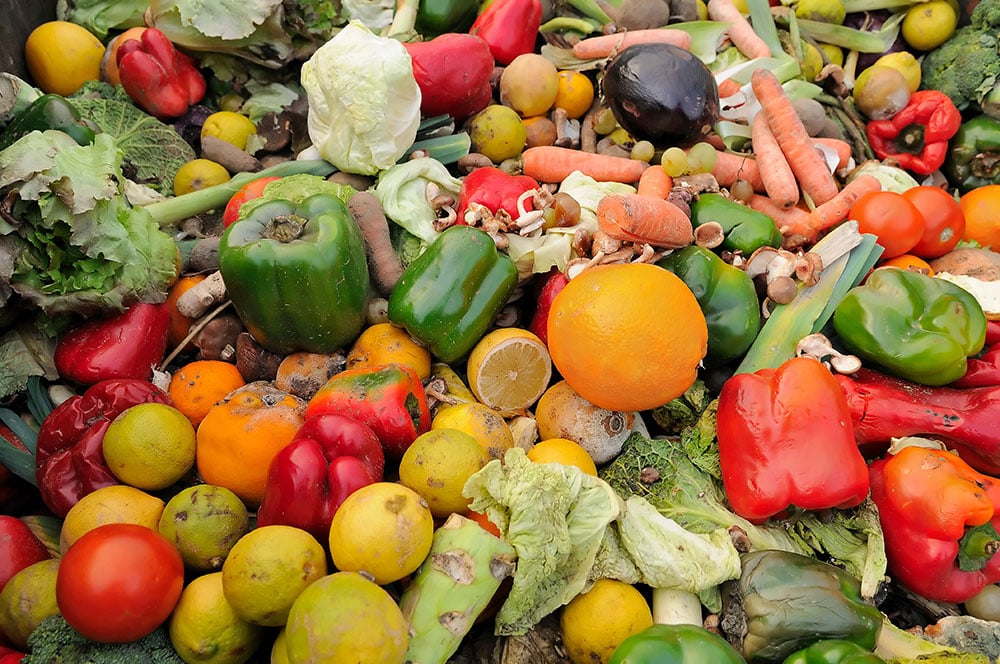
 An unfortunate truth in the United States is that 40% of the food we produce is either uneaten or thrown away. On the flip side, 1 in 8 Americans faces food insecurity. A new law in New Jersey attempts to combat this.
Governor Murphy recently signed a bill into law that aims to reduce the amount of food waste in the Garden State by 50% before the year 2030. This is in line with the Environmental Protection Agency’s (EPA) recently announced goal.
Earlier this year, New Jersey also established plans to reduce the number of plastic bags used in the state.
New Jersey Food Waste Task Force & Food Desert Pilot Program
The new laws include establishing a New Jersey Food Waste Task Force, a committee devoted to exploring the factors that could be contributing to the high levels of food waste. This information will help inform strategies and policies that could reduce waste and find ways to get food to those in need.
Another part of the package introduces a two-year program to help reduce food deserts, which are communities where residents have limited access to nutritious foods. The program involves holding weekly markets in three food desert communities.
Other New Laws
In addition to the 2 detailed above, on May 9, these bills became law:
- A4707: Requires the Department of Agriculture to establish a public awareness campaign regarding food waste.
- AJR174: Encourages large food retailers in New Jersey to reduce food waste.
- AJR172: Makes every third Thursday in September “Food Waste Prevention Day” throughout the Garden State.
- AJR60: Designates every November as “Food Pantry Donation Month” in New Jersey.
- A4703: Implores New Jersey’s Chief Technology Office to create an anti-hunger web resource that provides information on emergency food services.
- A4702: The “Hunger-Free Campus Act,” which requires the Secretary of Higher Education to create $1 million grant program to combat food insecurity in public school students. to establish a grant program to address food insecurity among students enrolled in public institutions of public education.
- AJR175: Requires New Jersey’s Chief Innovation Officer to update the NJOneApp so it includes all anti-hunger programs in the state.
- A4708: Establishes Farm Liaison in Department of Agriculture.
Click here for the full story on New Jersey’s new food waste laws.
What the Rest of Us Can Do
These laws are a step in the right direction for reducing food waste in New Jersey. However, there are also things the rest of us can do to lower our impact.
To reduce the food waste in your household, try planning meals ahead of time and purchasing only the ingredients you need. Check the food you already have at home before heading to the store.
If you end up with food that won’t be eaten before it goes bad, try freezing it. Bread, fruit, and meat all take well to freezing. If you end up with uneaten food you can’t use, donate it to your local food bank. For unusable food scraps, try composting.