
 Your Guide to Waste Disposal in Chicago.
Managing waste in a big city like Chicago can feel confusing, but with a clear roadmap, you’ll know exactly what to throw, recycle, or drop off. Whether you’re a homeowner, rental tenant, or small business, here’s a practical overview of how to do it right.
Collection Basics: Trash vs. Recycling
Chicago’s Department of Streets and Sanitation manages trash and recycling pickup for most single-family homes and small apartment buildings (four units or fewer).
- Trash collection: Happens once a week for city-serviced properties.
- Recycling collection: The Blue Cart Recycling Program picks up recyclables every other week.
- Large buildings or businesses: Properties with five or more units or commercial tenants must arrange service through a private hauler.
If you’re unsure who services your building, you can check the city’s collection schedule or ask your landlord or building manager.
Keeping your pickup schedule consistent helps reduce illegal dumping, missed collections, and overflowing bins, all of which contribute to contamination and pests.
What Can Go in the Blue Recycling Cart
Recycling right helps Chicago reduce landfill waste and lower cleanup costs. Stick to these approved materials for the blue cart:
- Glass bottles and jars; clear, brown, or green
- Aluminum cans, tins, and clean foil
- Steel and tin food cans
- Food and beverage cartons, like milk or juice containers
- Plastic bottles and containers labeled #1–#5 (clean, dry, with caps on)
- Mixed paper, mail, and flattened cardboard
Keeping recyclables clean and dry is essential. Food residue or liquids can contaminate entire truckloads, sending everything to the landfill instead of the recycling facility. A quick rinse goes a long way!
What Not to Recycle
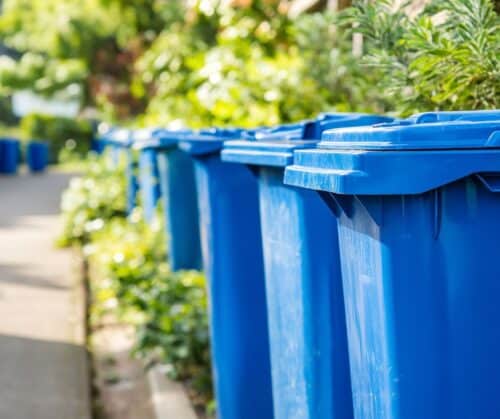 Contamination is the number one reason Chicago’s recycling bins get rejected. Many items look recyclable but aren’t accepted through the city’s program.
- Avoid putting these in your blue cart:
- Plastic bags, film wrap, or bubble wrap
- Dirty food containers or greasy pizza boxes
- Foam or Styrofoam packaging (labeled #6)
- Tanglers like cords, hoses, or wires
- Unmarked or soft plastics
If it’s smaller than your fist, too dirty to clean, or you’re unsure, it’s safest to throw it in the trash. Plastic bags, for instance, jam sorting equipment and cause major slowdowns at recycling facilities.
Special Drop-Offs & Hard-to-Recycle Items
Some household items need special care. Chicago offers drop-off locations for hazardous waste, electronics, and bulky items that can’t go in regular bins.
You can bring these to the designated city facilities:
- Electronics, batteries, and paint
- Household chemicals and fluorescent bulbs
- Appliances, furniture, and mattresses (by appointment)
Find your nearest location through the City of Chicago’s Household Chemicals & Computer Recycling Facility. For items like clothing or scrap metal, look into local reuse centers or donation sites — many accept gently used goods for repurposing.
Why Proper Waste Disposal Matters
Chicago has made progress, but contamination and improper sorting still keep recycling rates below the national average. By learning what goes where, residents can make a real difference.
Proper disposal helps:
- Keep neighborhoods clean and rodent-free
- Reduce landfill waste and city cleanup costs
- Support recycling jobs and sustainable manufacturing
- Build pride in our local communities
Every correctly sorted bottle or piece of cardboard adds up. With over 2.7 million residents, Chicago’s collective effort can make the Windy City cleaner, greener, and more efficient.
Dumpster Rentals in Chicago
For bigger cleanups, like home renovations, office clear-outs, or construction projects, regular curbside pickup won’t cut it. That’s where dumpster rentals come in handy. Chicago residents and contractors can rent temporary roll-off dumpsters for short-term projects or ongoing waste management. These dumpsters are ideal for:
- Home remodeling and renovation debris
- Roofing or landscaping waste
- Construction and demolition materials
- Large cleanouts (garages, basements, estates)
You can choose from several sizes, depending on the scale of your project. These range from 10 to 40 yards. When renting, be sure to:
- Check Chicago permit requirements if placing a dumpster on a street or public alley.
- Avoid prohibited items such as tires, hazardous waste, paint, or electronics.
- Load evenly and safely to prevent overfilling and additional fees.
At Roll-Off Dumpster Direct, we offer quick delivery, flexible rental periods, and transparent pricing. Whether you’re cleaning up after a big move or managing a construction site, a properly sized dumpster can make disposal simple, safe, and efficient.
Do Your Part for a Cleaner Chicago
Waste management doesn’t have to be complicated … just consistent. When in doubt, remember the basics: rinse it, flatten it, and skip the plastic bag.
Taking a few extra seconds to sort correctly keeps our streets cleaner, our air fresher, and our city more sustainable. Together, we can make Chicago a shining example of what responsible waste disposal looks like. Get a quote for a dumpster rental here.