
Takeout containers pile up fast, especially when you are in the busier seasons of life (hello, holidays). Figuring out where each container can be disposed of can be confusing. Some items can be placed in your curbside recycling bin, while others require special drop-off, and some, unfortunately, need to be thrown away. This guide breaks down what to do with the most common takeout packaging so you can dispose of it properly (and avoid contaminating the recycling stream).
How to Dispose of Common Takeout Containers
Plastic Containers
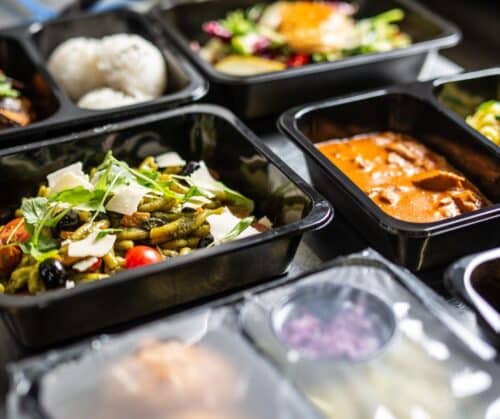 Most curbside recycling programs accept certain plastics, but only if they’re clean and the right type. Check the number inside the recycling triangle somewhere on the container (this helps you figure out where it belongs).
Where to Take Them:
- Curbside recycling: Clean #1, #2, and sometimes #5 containers
- Store drop-off bins: Soft plastics, plastic film (if applicable)
- Trash: Plastics your local program doesn’t accept
Usually Recyclable:
- Clear salad containers (#1)
- Milk-jug-style plastics (#2)
- Some microwave-safe bowls (#5, if accepted)
Not Recyclable:
- Styrofoam (#6) must go in the trash
- Plastic utensils
- Mini condiment cups
- Containers with melted, stuck-on food
Tips Before Recycling:
- Rinse quickly (no need to scrub).
- If it’s too dirty to clean, throw it out.
Many recycling centers publish accepted plastic types online (which is worth checking in your area).
Aluminum & Foil Containers
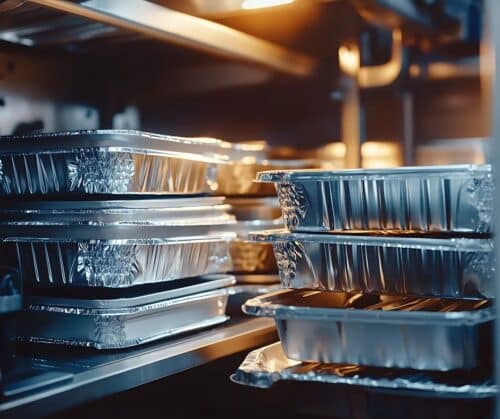 Aluminum is widely accepted by curbside programs and local recycling centers, but it must be clean. Dirty foil can’t be processed and gets tossed anyway.
Where to Take Them:
- Curbside recycling: Rinsed foil and trays
- Scrap metal facilities: Larger loads of aluminum
- Trash: If coated in grease or burnt food
Recycle if:
- Rinsed trays and lids
- Clean foil rolled into a ball at least golf-ball-sized
Trash if:
- Grease or charred food won’t come off
- Foil is shredded into tiny pieces
Pro Tip:
Restaurants often provide aluminum pans, and these can be rinsed and recycled hundreds of times before degrading.
Glass Jars & Bottles
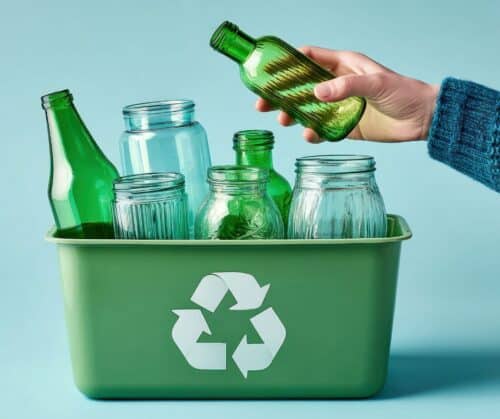 Glass is one of the best materials to recycle, and many municipalities accept it curbside, while others require drop-off at local recycling centers.
Where to Take Them:
- Curbside recycling (if your city accepts glass)
- Glass-only drop-off locations provided by local waste facilities
- Reuse at home for free storage alternatives
Recycle:
- Rinsed jars and bottles
- Metal lids (recycled separately)
Repurpose:
- Pantry jars
- Vase substitutes
- Craft containers
If your curbside program doesn’t take glass, check your county’s waste website; most offer free drop-off bins.
Paper & Cardboard Containers
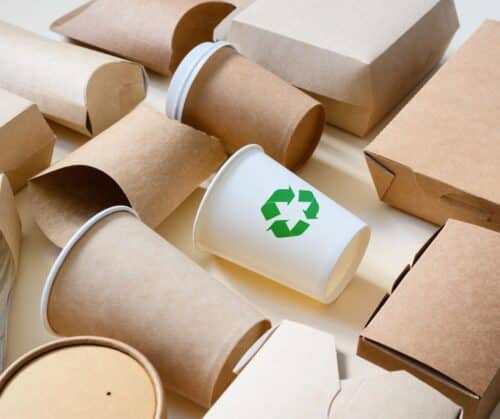 Paper and cardboard recycling depend on whether the material is coated or contaminated. Most curbside recycling accepts uncoated paper products, but anything waxed or greasy must go in the trash.
Where to Take Them:
- Curbside recycling: Clean, uncoated paper and cardboard
- Compost pile/yard waste centers: Plain paper bags or lightly soiled cardboard
- Trash: Anything wax-coated or soaked in grease
Recycle:
- Paper bags
- Clean cardboard takeout boxes
- Lightly stained pizza boxes (tops especially)
Not Recyclable:
- Wax-coated soup cups
- Plastic-lined cartons
- Soggy or greasy paper products
Tip:
If the cardboard is half-greasy, tear off the clean portion and recycle that section.
Smart Ways to Repurpose Takeout Containers
Before you recycle (or toss) anything, consider whether you can give it one more use. Repurposing reduces waste and can be surprisingly practical for household needs.
Ideas:
- Use plastic containers for leftovers or freezer batches
- Turn aluminum trays into grill drip trays or craft pans
- Store pantry items in washed glass jars
- Use clean lids as paint mixing trays
- Paper bags make great compost-bin liners
- A quick rinse and a little creativity can extend the life of most containers.
Handling Larger Cleanouts
If you’re dealing with more than the usual weekly takeout, like restaurant cleanouts, moving, decluttering, or clearing out months of stored packaging, renting a dumpster is the easiest way to manage bulk disposal.
A roll-off dumpster works well for:
- Large volumes of cardboard or packaging
- Food-service renovations
- Residential cleanouts
- Bulk waste that won’t fit in your curbside cart
Roll-Off Dumpster Direct offers fast delivery, transparent pricing, and guidance on what materials can go inside. Contact our team for a free quote or recommendation. We have many sizes of dumpsters available that will suit whatever project you’re tackling.